
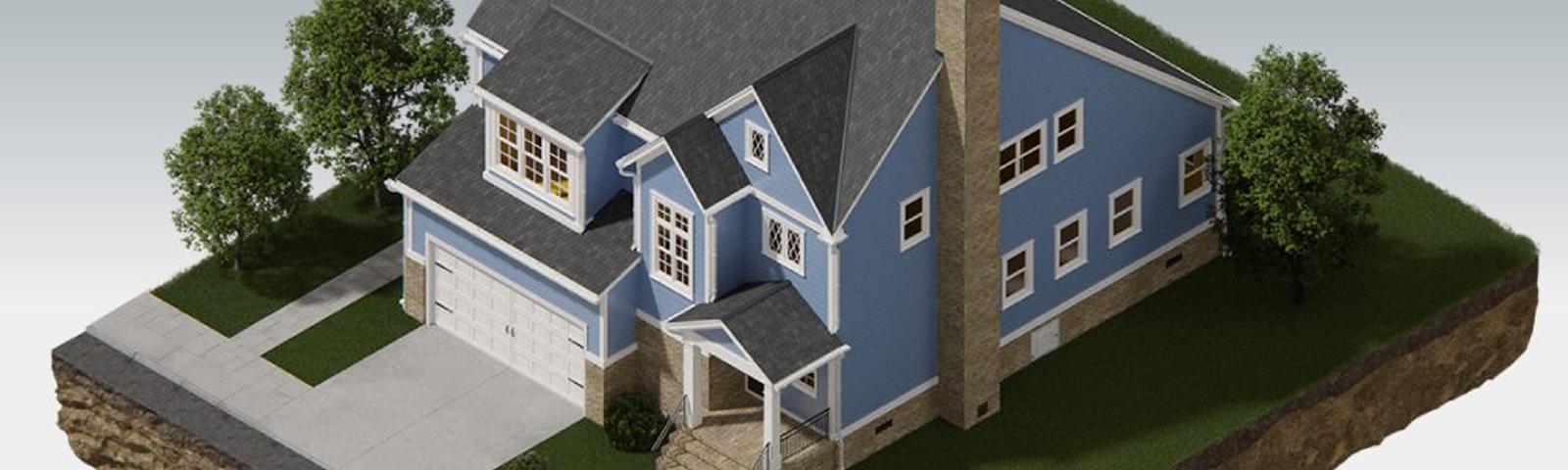
How Does Crawl Space Encapsulation Work?
Crawl space encapsulation will permanently protect your home from any and all moisture. Each part works together with the others in this system to ensure a complete waterproofing experience.
- Sump Pumps and Dehumidifiers
Oftentimes, installing an interior drainage system and a sump pump is the first step to the encapsulation process. If your crawl space is flooded, our experts cannot work on waterproofing this space until that water is all drained away. Our drainage system and sump pumps require very little maintenance, but it’s still important to have these systems checked by professionals on a yearly basis to make sure they continue to work in keeping your crawl space dry.
Installing a dehumidifier is actually the last step to the encapsulation process. It is often added as a precautionary measure should any moisture still remain. These industry-grade dehumidifiers are much more powerful than the ones you might find at a department store. You can rest assured that these machines will protect your crawl space against any lingering humidity or other irritants floating about to create a cleaner, drier crawl space environment.
- Vent Covers, Insulation, and Vapor Barriers
If open crawl space ventilation only worsens existing issues, it makes sense to cover them up from the outside elements. After draining all the standing water from your crawl space, Tar Heel Basement Systems can then install our sturdy vent covers directly over the open vents themselves. This ensures that no outside moisture or mold will be able to sneak their way into the crawl space or the rest of your home. No encapsulation process is complete without sealing off any open crawl space vents, which makes these covers all the more necessary for your home.
We’ll then place durable insulation panels on the walls and cover the crawl space walls and floor with a 20-mil vapor barrier that will not tear under any duress or pressure. The two particular solutions help seal your crawl space from outside nuisances like unconditioned air and moisture, and they make it more difficult for pests to get inside. Additionally, our insulation panels are treated to resist termites, and the vapor barrier is treated with an antimicrobial to resist water and mold. Both these solutions also are installed with a three-inch gap allowing for pest control inspections.
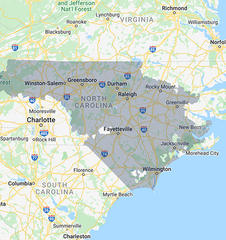
Our Locations
3400 Walsh Pky, Suite 220
Fayetteville, NC 28311
611 Summit Ave, Suite 5
Greensboro, NC 27405
8005 Knightdale Blvd
Knightdale, NC 27545
2155 Enterprise Dr. NE
Leland, NC 28451
2910 Griffith Rd
Winston-Salem, NC 27103