
Humidity
Get Your Free EstimateCrawl space humidity has plagued homes in North Carolina since the first day they were built.
As the humidity levels rise in crawl spaces, moisture condenses on the surfaces, leading to serious problems in your home. These problems can lead to health issues and the need for expensive crawl space repair.
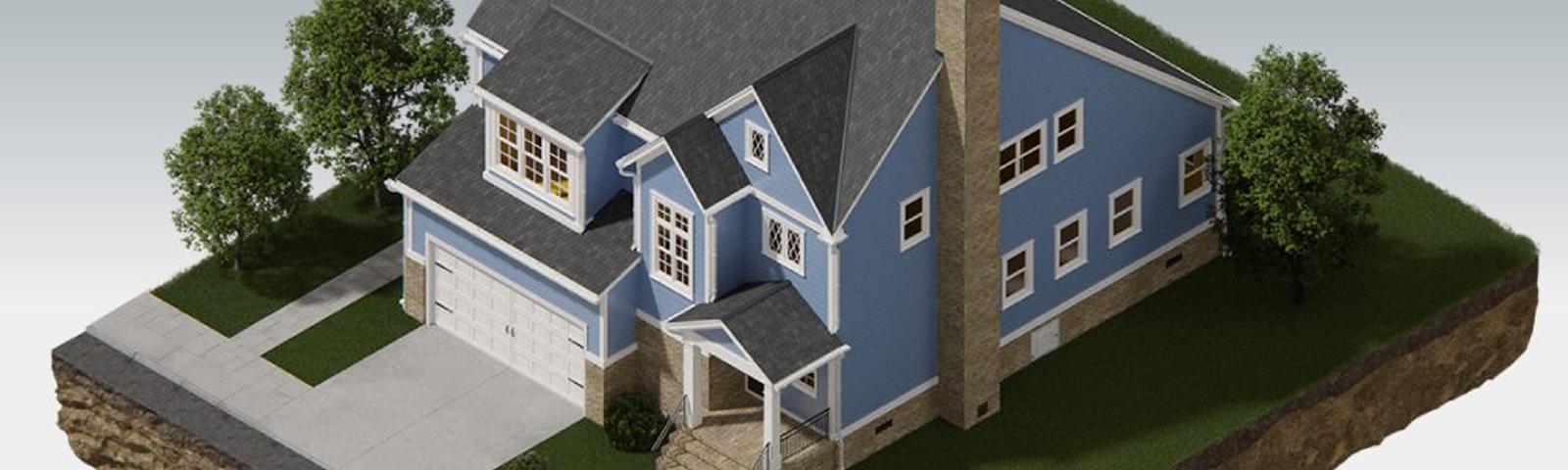
Most of the problems traditionally associated with damaged, rotting crawl spaces are due to basic flaws in the ways that crawl spaces were designed. When the frame of your home was first built, it was a large wooden box, with few, if any, holes in it.
Then came the other contractors. As plumbers, electricians, HVAC workers, and other professionals worked in your home, they began to cut channels in the walls and floors. Pipes, wires, cables, ducts, and other components were passed through, and your home’s construction was completed.
Then, over time, your home began to expand and contract. The once-tight seams began to warp slightly, and more crevices and openings appeared. There are a lot of openings that can develop between your first floor and your crawl space!
In your home, warm air rises, leaving through your attic and upper floors. As this happens, a vacuum is created on the lower floors. Air from the outside — and from your crawl space — is pulled upwards to fill the space.
If you have crawl space vents, they will also become part of the air movement in your home. As air is pulled out of the crawl space and up into the home, new air will be pulled in through these vents.
Here’s the key point: If the air outside is wet or humid, then your crawl space vents are bringing in moisture.
Our Locations
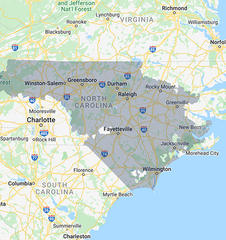
3400 Walsh Pky, Suite 220
Fayetteville, NC 28311
611 Summit Ave, Suite 5
Greensboro, NC 27405
8005 Knightdale Blvd
Knightdale, NC 27545
2155 Enterprise Dr. NE
Leland, NC 28451
2910 Griffith Rd
Winston-Salem, NC 27103