
Is Full Waterproofing Necessary or Will a Vent Cover Do?
On the surface, vent covers might seem like the best way to prevent water from entering a crawl space. However, a crawl space in North Carolina needs more than a vent cover in order to stay dry. Full waterproofing solutions need to be set up so that the foundation is safe from standing water, water vapor, leaks, and other harmful factors that befall wet foundations.
A full waterproofing solution involves encapsulation, insulation, and the installment of an interior drainage system, a sump pump, and a dehumidifier. This may seem like a lot, but each piece serves a purpose in defending your crawl space from water damage.
- What Encapsulation Does for Your Crawl Space
Encapsulation is a simple process that leaves your crawl space healthy and waterproof. It involves covering the interior of the crawl space with a thick vapor barrier. The vapor barrier keeps out water and water vapor, as well as prevents cold air from entering the crawl space. It also makes your crawl space incredibly easy to clean. The pipes and concrete in the crawl space are protected, meaning there are fewer plumbing issues and the risks of sagging floors in your home are mitigated.
A crawl space vent cover will stop water and humid air from entering the crawl space through the vent, but it can’t stop humidity from seeping in from elsewhere. Without a vapor barrier, water vapor will freely permeate through the porous concrete walls and increase the humidity levels in your foundation. This can lead to mold growth and wood rot, both of which harm your health and your home’s structural integrity.
- What Drainage, a Sump Pump, and a Dehumidifier Do for Your Crawl Space
An interior drainage system catches leaking water and directs it to a sump pump to be pumped out. Given how common severe flooding is in North Carolina, water still has a way of getting into a crawl space from within the house. Without an interior drainage system and a sump pump, you would have to drain the water yourself.
As for humidity, the only way to control it would be with a dehumidifier. Unlike the dehumidifier you would place in your bedroom, the dehumidifiers used for crawl spaces are capable of taking in a lot of moisture in the air. The water it absorbs then gets sent through the sump pump and expelled elsewhere. Without a dehumidifier, your crawl space is still subject to above-average humidity levels.
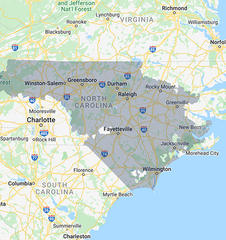
Our Locations
3400 Walsh Pky, Suite 220
Fayetteville, NC 28311
611 Summit Ave, Suite 5
Greensboro, NC 27405
8005 Knightdale Blvd
Knightdale, NC 27545
2155 Enterprise Dr. NE
Leland, NC 28451
2910 Griffith Rd
Winston-Salem, NC 27103