
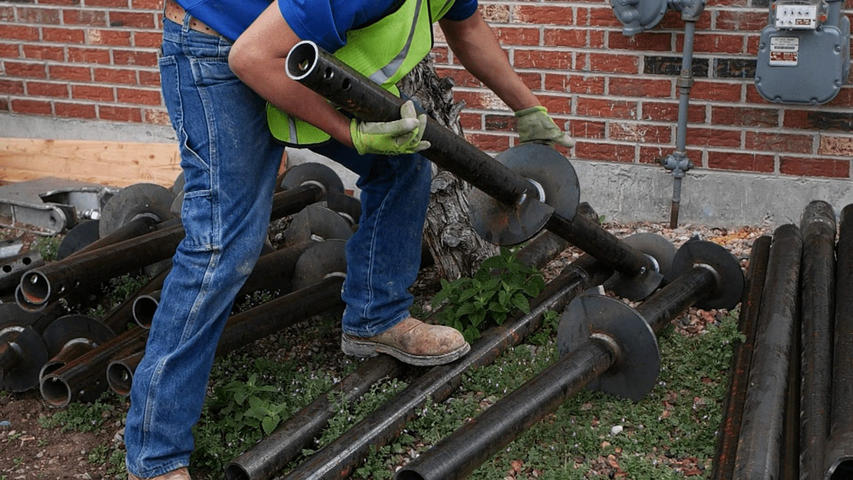
Foundation Repair
Sloping floors and cracked foundation walls are upsetting to North Carolina homeowners. Tar Heel Basement Systems' stabilization methods allow you to rest easy knowing your home is supported.
Get Your Free EstimateWhy is Foundation Repair Important?
Tar Heel Basement Systems understands that the decision to go forward with foundation repairs can be frightening, largely due to its potential financial implications. That’s why many homeowners put it off, but doing so only makes your problems worse and the solutions more expensive. So, it’s crucial to start now. And starting now will put your fears to rest.
Safety Hazards
Your primary concern is a structural collapse, accompanied by a variety of safety hazards. Although smaller issues, like uneven floors, may seem unimportant, a tilting chimney will collapse if left unchecked. Sticking doors and windows may appear to be mere inconveniences, but they could spell disaster during an emergency. We offer solutions that permanently stabilize your foundation and protect against potential hazards, so you can live in a safe home.
Decreased Home Value
If you’re hoping to sell your home, you’re likely concerned about getting the most profit out of it. Foundation damage may increase slowly, but even minor damage significantly reduces property value. Wall and floor cracks are clear signs of foundation issues, which potential buyers and home inspectors will notice.
Simply covering up these cracks won’t solve the problem, as they’ll just keep coming back without addressing the root cause. When your most valuable investment – your home – is at risk, you can’t settle for inexpensive, ineffective solutions. At Tar Heel Basement Systems, we guarantee the highest quality service.
Decreased Functionality
Foundation damage can make it difficult to use your living space. Doors and windows may become hard to open and close, and items may roll off counters or rattle in cabinets when you walk into the kitchen. Even infants in wheeled highchairs have been known to roll across uneven floors on their own! These everyday irritations constantly remind you of the growing issues beneath your home. We understand how frustrating this can be and believe that you deserve better than feeling like your home is falling apart.
Expensive Home Damage
As damage to a foundation increases, so do repair costs. Foundation problems won’t fix themselves and will only worsen if left untreated. They can cause secondary forms of damage like cracks in the floor, walls, and ceiling. By addressing foundation problems early, you can avoid spending more money on future repairs and make your home safer.
Protect Your Investment and Ensure Your Safety
Identifying Foundation Problem Signs
Foundation damage causes a variety of problems in your home. The most common problems include:
- Wall cracks
- Sticking doors
- Sagging floors
- Gaps between walls, ceilings, or floors
- Leaning chimneys
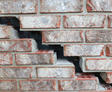
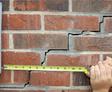
- Visible cracks in exterior brickwork
- Mold Growth
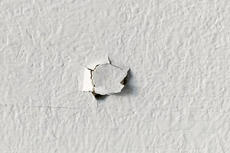
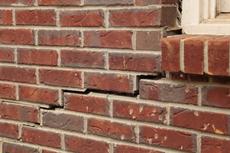
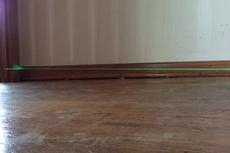
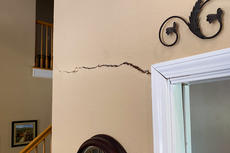
If you notice any of these problem signs, contact a professional foundation repair contractor as soon as possible.
What Causes Foundation Damage?
Water and soil stand as the primary factors that contribute to foundation damage. The manner in which these two elements interact in North Carolina’s distinct environmental conditions can precipitate numerous issues for your foundation.
Excess water swells the soil on which your foundation lies, while insufficient water causes it to shrink. Both scenarios result in a shift in the foundational piers that support your home. The problem escalates when abrupt changes between excessive and scarce water lead to swift soil expansion and contraction, making your foundation issues increasingly challenging to manage.
In North Carolina, one of the prevalent problems stems from variable rainfall and local soil characteristics, leading to oversaturated soil or severe dryness. Several reasons can be attributed to this:
- Climate conditions (variable rainfall, hurricanes, etc.)
- Suboptimal drainage (inefficient gutters, improper property grading)
- Underground water sources (aquifers, subterranean water bodies)
- Natural disasters (flooding, hurricanes)
Aside from soil-related issues, other less common causes of foundation damage specific to North
Carolina includes plumbing leaks and intrusive tree roots growing too near to your home, potentially piercing the foundation’s footing.
The Tar Heel Basement Systems Solution
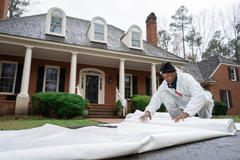
No matter what issues your home is facing, Tar Heel Basement Systems can provide custom-engineered solutions to fix them. We always go above and beyond to produce unique products that can withstand the test of time and mother nature.
Our foundation repair solutions come with a “Life of the Structure Warranty”, demonstrating Tar Heel Basement Systems’ unwavering commitment to its work. Furthermore, all of our warranties are transferable. If your home changes ownership, the new owner inherits the same high-quality level of care that you currently enjoy.
SettleStop™ Pier Systems
If you notice popping noises, wall cracks, or problems with doors and windows in your home, the cause is unstable soil. To permanently stabilize your home, reaching bedrock or load-bearing strata is key. That’s where our SettleStop™ pier systems come into play.
Tar Heel Basement Systems uses two types of pier systems to stabilize your foundation: helical piers and push piers. Each type has its unique application but serves the same purpose.
Here’s how these pier systems work:
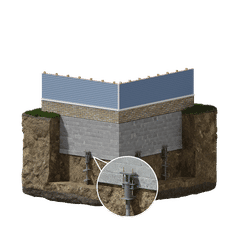
Helical Piers
Tar Heel Basement Systems uses SettleStop™ Helical Pier System to anchor your home in the stable soil beneath by employing steel piers with helical plates. Helical piers can be used in many situations and work best beneath lighter structures.
Our SettleStop™ Helical Pier System ensures a solid foundation for your property.
The installation process involves using hydraulic equipment to install the piers next to the foundation after removing soil to expose the footing. The helical blades slice through the soil, and our crew monitors their progress until they reach the necessary depth.
A heavy-duty steel bracket is secured to the footing, and the weight of the home is transferred through the piers to stable soil below. We’ll also install benchmarks, aligning a laser level with small rivets in the exterior foundation walls to confirm everything is still secure and give you peace of mind.
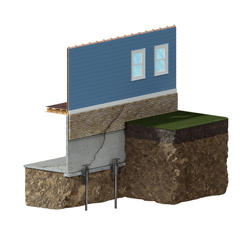
Push Piers
SettleStop™ Push Piers are similar to helical piers in function but differ slightly in design and installation. They are long steel rods that are driven into the ground.
After soil is removed to expose the footing and a bracket is secured to it, the piers are driven through the bracket and into the earth until they reach bedrock. This provides long-lasting stability for your home by bypassing problematic soil.
Benchmarks will also be installed on your exterior foundation walls above the piers, as with helical pier installations.
SettleStop™ Wall Repair Tools
Foundation damage can cause cracks and bowing in basement walls, allowing moisture to enter.
To prevent basement wall damage, the best solution is wall repair. Once installed, your basement will be better protected against issues like mold or efflorescence.
Our wall repair options minimize disruption to your home and yard, with most of the process taking place inside your basement for a clean and fast installation.
We use the following wall repair options:
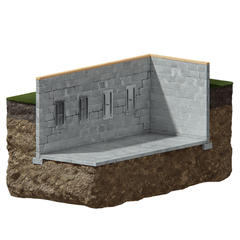
Wall Anchors
SettleStop™ Wall Anchors help support basement walls that are bowing or leaning. They have anchor plates that are installed on the interior basement wall and in the ground outside the foundation. Steel rods connect the plates, and special wrenches are used to tighten the steel rods. This pulls the plates toward each other, and the tension stops the walls from moving inward any further. This restores the strength of the basement walls.
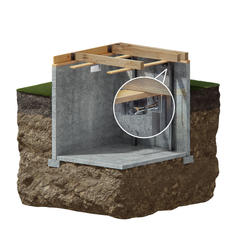
I-Beams
If there isn’t enough room outside or a wall is too close, you may not be able to use wall anchors.
Instead, you can use SettleStop™ IntelliBrace I-beams.
These steel I-beams are put vertically against the inside of basement walls and then fastened to the floor and joists using brackets. They are then tightened to push against the walls and keep them in place.
This helps to support the structure by moving the weight from the walls to the floor and joists, stopping the walls from moving inward and making the basement walls stable for a long time.
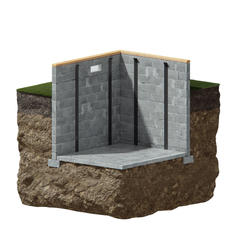
Carbon Fiber Reinforcement
SettleStop™ Carbon Fiber Straps are an excellent solution for limited spaces. Our carbon fiber reinforcement is designed to fit into tight spaces while strengthening and stabilizing your basement walls.
To install the carbon fiber reinforcement, high-strength carbon fiber straps are applied to the inside of your basement walls using epoxy adhesive. This process is minimally invasive and takes place entirely inside your basement.
The carbon fiber straps provide additional support to your walls and resist hydrostatic pressure.
SettleStop™ IntelliJack™ Crawl Space Support Posts
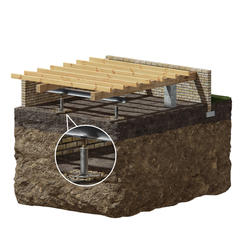
Sagging floors can cause issues like creaky noises, tripping, or rattling furniture. Our SettleStop™ IntelliJack™ crawl space support posts solve this problem by providing extra strength to weak floor joists in crawl spaces.
The steel posts are installed under the joists and secured to the support beams above. They can be adjusted to provide upward support, stabilizing the floor. Each support jack is rated to support up to 24,860 pounds and is tested and certified to meet industry standards.
We know how important your home is because we’re homeowners too. That’s why we believe you deserve local experts you can trust and the best products for your home. We can also assure you that we will permanently stabilize your foundation.
View more Foundation Repair Solutions >>
Factors Affecting Foundation Repair Cost
The cost of foundation repair on a home can vary depending on several factors, including:
- Extent of damage: The cost of repairing the foundation depends on how serious the damage is. Small cracks are usually cheaper to fix than big shifts in the foundation or damage to the structure.
- Type of foundation: There are different ways to fix different foundation types. This can change how much it costs to repair them. For instance, basements might be pricier to fix than slab foundations.
- Location: The cost of foundation repairs can be affected by where the home is located. For instance, places with expensive living costs or stricter building codes may lead to higher repair costs.
- Soil conditions: The cost of repairs may be affected by the type and condition of the soil around the foundation. If the soil is expansive, meaning it swells and shrinks with changes in moisture, there could be more severe foundation issues that require higher repair costs.
The cost of foundation repair depends on the condition of your home’s foundation and how bad the problems are.

Award-Winning Service











- 5/
- 5/
- 5/
- 5/
- 5/

Luke Evans, Jonathan Ruiz and Julian Bruno has worked on our home for the past few days and the work came out amazing m. Our foundation in…
Luke Evans, Jonathan Ruiz and Julian Bruno has worked on our home for the past few days and the work came out amazing m. Our foundation in the kitchen area was beginning to sink in. And the cracks has been filled in by getting the house lifted. Thank you for the great work.
- 5/
- 5/
- 5/
- 5/
- 5/
Tarheel Basement Systems and the entire crew including Ken, Stephen, Tyler B., Terrance H., Keaton and Jael did an incredible job! They all …
Tarheel Basement Systems and the entire crew including Ken, Stephen, Tyler B., Terrance H., Keaton and Jael did an incredible job! They all were respectful, polite, worked very hard and got the job done on time! We received quotes from a couple of other companies, but Jeff at Tarheel Basement Systems beat all the others and saved us thousands! I highly recommend them, no need to call any other company!
- 5/
- 5/
- 5/
- 5/
- 5/
Jess W. and Zach B. did an outstanding job fixing my concrete garage floor! Their professionalism, attention to detail, and dedication to…
Jess W. and Zach B. did an outstanding job fixing my concrete garage floor! Their professionalism, attention to detail, and dedication to quality were evident throughout the entire process. They took the time to ensure everything was done right, and the results exceeded my expectations. I highly recommend them to anyone needing concrete repair—top-notch service from start to finish!
- 5/
- 5/
- 5/
- 5/
- 5/
RJ, Walter S, and James W repaired our sinking floors, installed a French drain, and installed a sister beam all in two days. Just like…
RJ, Walter S, and James W repaired our sinking floors, installed a French drain, and installed a sister beam all in two days. Just like clockwork, they showed up on time and completed the job as promised. Truly a skilled and dedicated team.
- 5/
- 5/
- 5/
- 5/
- 5/
Exceptional professionalism from start to finish. Bottom Line Up Front (BLUF)…call them first, then don’t waste time on anyone else. I’ve…
Exceptional professionalism from start to finish. Bottom Line Up Front (BLUF)…call them first, then don’t waste time on anyone else. I’ve been a medical professional for almost 30 years. As such, I’ve gained a clear understanding of what it takes to make a client feel comfortable with the services that you are providing. Things like: forthrightness; clear and frequent explanations of plans; timely delivery of a service that is consistent with said plans; attention to detail; and what is sometimes most important – a team that is able deliver the service in a personable manner. I got all of that. Every interaction that I had, beginning with Who got first? the initial inspection and plan creation by Steele W. through the subsequently install and project completion by the crew consisting of Cameron S., Ian B., Justin H., and Gerritt T., demonstrated the superior quality standards maintained by TARHEEL BASEMENT SYSTEMS. If you have a crawl space, and a desire to create the healthiest possible environment for you and your family, then you should let this team come convert it into, a moisture managed, mold resistant, value enhanced, space in which you can crawl.
- 5/
- 5/
- 5/
- 5/
- 5/
Jackson spent so much time assessing our crawl space, taking pictures and video and provided a full report with recommendations and…
Jackson spent so much time assessing our crawl space, taking pictures and video and provided a full report with recommendations and estimates on the portions that needed attention. He went above and beyond to ensure excellent customer service and care. I appreciated his attention to detail and his expertise.
- 5/
- 5/
- 5/
- 5/
- 5/
Juan and his crew were very knowledge, hardworking, and courteous. They thoroughly explained everything they were doing. I will not use…
Juan and his crew were very knowledge, hardworking, and courteous. They thoroughly explained everything they were doing. I will not use anyone else in future as they are the true professionals at this sort of work. The last company that I hired did not do a proper job and Tar Heel showed me that by the quality of work.
- 5/
- 5/
- 5/
- 5/
- 5/
John, Chris and Lawrence was very professional and answered all my questions. They explained every thing that was done with pictures and …
John, Chris and Lawrence was very professional and answered all my questions. They explained every thing that was done with pictures and we were very satisfied. They worked very hard. Rate them a 10.
- 5/
- 5/
- 5/
- 5/
- 5/
Called them and got an inspection same day. The crew got it fixed within two weeks of my initial call. The guys (gary and Mathias) were…
Called them and got an inspection same day. The crew got it fixed within two weeks of my initial call. The guys (gary and Mathias) were great as well and very professional. I would use again in a heartbeat.
- 5/
- 5/
- 5/
- 5/
- 5/
John, the Field Inspector; Sarah, the Project Coordinator; and Tom and Tyler, the Installation Technicians, were all simply outstanding in…
John, the Field Inspector; Sarah, the Project Coordinator; and Tom and Tyler, the Installation Technicians, were all simply outstanding in their professional knowledge, skills, and expertise. Their communication was flawless in keeping me informed about the schedule and all details of the process.To find cracks in the floors of one’s home is a very unnerving experience, but to find such responsive and excellent professionals to successfully repair the situation leaves one completely reassured that the serious issues have been completely resolved.From the initial inquiry to the completion of the project, my experience is that Tar Heel Basement Systems is simply the Best in the Business in terms of total customer satisfaction and service. I could not recommend them more highly.
- 5/
- 5/
- 5/
- 5/
- 5/
Josiah, Gustavo and Rodrigo did an outstanding job at our house. Very nice polite, professional young men. Talked us through everything…
Josiah, Gustavo and Rodrigo did an outstanding job at our house. Very nice polite, professional young men. Talked us through everything they were doing and always took time to answer questions we had. Cleaned up very well and left project looking great. Would recommend to anyone needing their house lifted.
Zach Wallace came for my first annual inspection for the crawl space work completed in 2025. He was thorough in checking that all of the…
Zach Wallace came for my first annual inspection for the crawl space work completed in 2025. He was thorough in checking that all of the work was functioning as it should. He took pictures to show me the updated inprovements. He answered all my questions clearly. He presented options for additional services without pressuring or trying to alarm me to make a hasty decision. I would be happy for him to continue to do my annual inspection.
- 5/
- 5/
- 5/
- 5/
- 5/
Work at our house was outstanding.Jalynn BrownDominique BunchAlterek SmithAll very professional, on time, nice and polite, dedicated to job….
Work at our house was outstanding.Jalynn BrownDominique BunchAlterek SmithAll very professional, on time, nice and polite, dedicated to job. Would highly recommend to anyone.
- 5/
- 5/
- 5/
- 5/
- 5/
This Groundworks crew was excellent, Chris O, Austin G, Harry, Mike 2, and Quinton they kept me informed every step of the way. Took…
This Groundworks crew was excellent, Chris O, Austin G, Harry, Mike 2, and Quinton they kept me informed every step of the way. Took pictures to share with me of the work as it was being done and also at completion. They did an excellent job cleaning up afterwards. Very happy with the professional job they did.
- 5/
- 5/
- 5/
- 5/
- 5/
The 3 guys who worked at my house were amazing. Gary Hacker has the best skills of any worker I"ve ever encountered. Ben Palmer and Axel…
The 3 guys who worked at my house were amazing. Gary Hacker has the best skills of any worker I"ve ever encountered. Ben Palmer and Axel Perez were also awesome. I will recommend Tar Heel Basement to everyone. I am 67 and the work that Gary Hacker, Ben, and Axel did on my floors will out last me by years. If I could adopt all 3 of them I would.
The gentlemen came out as promised, worked very hard, cleaned up from my crawlspace and made it healthy again. They did a super job. Thank…
The gentlemen came out as promised, worked very hard, cleaned up from my crawlspace and made it healthy again. They did a super job. Thank you each one that was here.
- 5/
- 5/
- 5/
- 5/
- 5/
Austin and his crew were top knotch. Albert was fantastic as well. Tremaine, Chris O, Maison and Zach were all outstanding and very polite!…
Austin and his crew were top knotch. Albert was fantastic as well. Tremaine, Chris O, Maison and Zach were all outstanding and very polite! The crew was amazing
- 5/
- 5/
- 5/
- 5/
- 5/
Jacob Lichtenberger came out to Perform some service work. He was one of the most knowledgeable professional and kind people to ever come…
Jacob Lichtenberger came out to Perform some service work. He was one of the most knowledgeable professional and kind people to ever come to my home!
- 5/
- 5/
- 5/
- 5/
- 5/

My installers did an amazing job. They were punctual, neat, organized, and didn?t leave until every last detail was finished. Their names…
My installers did an amazing job. They were punctual, neat, organized, and didn?t leave until every last detail was finished. Their names were Ken, Stephen, David K and Dalton. I am so pleased with my new basement system!
- 5/
- 5/
- 5/
- 5/
- 5/
Tremendous job with the encapsulation of my crawl space and leveling of my floor. From the initial visit with Steele, to the installation…
Tremendous job with the encapsulation of my crawl space and leveling of my floor. From the initial visit with Steele, to the installation with Tae S., Edwin C., & Sam P, you all did an excellent job. I greatly appreciate the hard work and professionalism.
- 5/
- 5/
- 5/
- 5/
- 5/
We were in the process of buying a home and Tim Martin fit us in quickly, with our tight timeline, to help us with determine what was…
We were in the process of buying a home and Tim Martin fit us in quickly, with our tight timeline, to help us with determine what was needed to waterproof and stabilize the basement & crawlspace. He spent quality time answering all of questions and was knowledgeable and personable.
- 5/
- 5/
- 5/
- 5/
- 5/
The Tar Heel Basement crew was very professional from beginning to end. The crew talked me through every step and even moved my date, for…
The Tar Heel Basement crew was very professional from beginning to end. The crew talked me through every step and even moved my date, for more convenience. The work done was top notch and completed in the time. I would highly recommend this company to anyone.
- 5/
- 5/
- 5/
- 5/
- 5/

If you need foundation work done, do yourself a favor and request Jay Yount at Tar Heel Basements. I had several companies come out, and…
If you need foundation work done, do yourself a favor and request Jay Yount at Tar Heel Basements. I had several companies come out, and Jay was the only one who approached my sagging floor issues with real expertise and a no-nonsense attitude. He spent hours carefully analyzing the problem and provided an honest, straightforward assessment with zero pressure. It's clear he takes pride in his work and values doing things the right way. More companies need people like Jay, and if his management is smart, they'll make sure he's moving up.
- 5/
- 5/
- 5/
- 5/
- 5/
Let's just start by saying we are 100% satisfied. We had Bobby, come out and give us a quote that meet our expectations and price range,…
Let's just start by saying we are 100% satisfied. We had Bobby, come out and give us a quote that meet our expectations and price range, and he had his team come out Matthew Mounts and Stephen Farrington and get the job done very professional, and fast work, I would highly recommend this team. Thanks again guys!!
- 5/
- 5/
- 5/
- 5/
- 5/
We had the crawl space encapsulation done. They did a wonderful job. They got permits and had inspections done! Quality company, kind…
We had the crawl space encapsulation done. They did a wonderful job. They got permits and had inspections done! Quality company, kind workers. Everyone with the company was very kind and considerate.!
- 5/
- 5/
- 5/
- 5/
- 5/
They encapsulated the crawl space and installed a dehumidifier. Looks great. The guys, Nyles R., Tyree M., and Christian M. did a great job.
They encapsulated the crawl space and installed a dehumidifier. Looks great. The guys, Nyles R., Tyree M., and Christian M. did a great job.
- 5/
- 5/
- 5/
- 5/
- 5/
Just want to say thank you to Mike, Colt, Lee and Tre for the excellent work done in my Crawlspace. It was a mess and now I can…
Just want to say thank you to Mike, Colt, Lee and Tre for the excellent work done in my Crawlspace. It was a mess and now I can comfortably go under my house!
- 5/
- 5/
- 5/
- 5/
- 5/
Awesome job from the first sit down with Nathan, honest and open, answered all our questions and then some days after, over the phone. Ray…
Awesome job from the first sit down with Nathan, honest and open, answered all our questions and then some days after, over the phone. Ray & Greg came out to do the work, man great workers and great guys, personable and reliable, did an awesome job. We were very pleased with Greg and Ray, and Nathan sitting down with us in the beginning . Thank you Tar Heel and all you guys Linda & Dwayne Miller Pictures attached: 400 square foot bedroom after TarHeel was done, we're putting flooring back down.. 2nd picture, the dehumidifier, the rap under the 🏠 house
- 5/
- 5/
- 5/
- 5/
- 5/
This morning Supervisor John,Tech Austin,Tech Chris arrived on time ready to work.They got everything together went under the house and got …
This morning Supervisor John,Tech Austin,Tech Chris arrived on time ready to work.They got everything together went under the house and got the job completed.John kept me informed on how the job was going.Great job by all.
- 5/
- 5/
- 5/
- 5/
- 5/
Groundsworks provided exceptional service to repair cracked joists, mitigate mold, and encapsulate crawlspace. Everyone we dealt with was…
Groundsworks provided exceptional service to repair cracked joists, mitigate mold, and encapsulate crawlspace. Everyone we dealt with was professional, kind, and respectful. From securing permits to finishing the job, every step was organized and efficient. Juan and Alex worked until the job was done. Marty and his crew got a great start on the project. Elizabeth and Ian could not have communicated details any better than they did.l I highly recommend Groundworks!
- 5/
- 5/
- 5/
- 5/
- 5/
Brian C and John C did a great job my crawlspace very happy I hope TarHeel Basement to work on my crawlspace and foundation. Tarheel is an …
Brian C and John C did a great job my crawlspace very happy I hope TarHeel Basement to work on my crawlspace and foundation. Tarheel is an honest and good company that stands behind their work and always seeks to please the customer and put them first.
- 5/
- 5/
- 5/
- 5/
- 5/
Juan, Alex, and Hayden recently encapsulated our crawlspace. Juan explained the process and reviewed the scope of work before they started….
Juan, Alex, and Hayden recently encapsulated our crawlspace. Juan explained the process and reviewed the scope of work before they started. I expressed concerns about a couple of items not specifically mentioned in the contract and he assured me they would handle it. When the job was complete Juan and I inspected the entire space. It was clean and they did a professional grade job. This crew was great to work with.
- 5/
- 5/
- 5/
- 5/
- 5/
We had two crews at the same time. Very friendly and knowledgeable. Both crews got their work done in a very reasonable time and they were…
We had two crews at the same time. Very friendly and knowledgeable. Both crews got their work done in a very reasonable time and they were on their way. Before leaving they had videos and pictures to show the crawl space improvement. These folks show up! There was very little time between the initial call and completion of the job.
- 5/
- 5/
- 5/
- 5/
- 5/
I had an excellent experience with Tarheel Basement Systems. They installed three permanent jacks to provide supplemental support, and the…
I had an excellent experience with Tarheel Basement Systems. They installed three permanent jacks to provide supplemental support, and the entire project was handled with care, professionalism, and clear communication. Nick Perfetti, the foreman, was outstanding from the very beginning. He took the time to thoroughly explain the scope of the project, what to expect during installation, and answered all of my questions before work began. After the job was completed, he walked me through the finished work in detail, ensuring everything was done correctly and that I was fully comfortable with the results. His knowledge and attention to detail truly stood out. Jordan Bumpers, the co-foreman, played a key role in keeping the project running smoothly. He was professional, organized, and clearly experienced, making sure the installation was done properly and efficiently. His leadership on-site was evident and contributed greatly to the quality of the work. Hunter Okonsky did an excellent job with the installation of the support system. He worked diligently, paid close attention to detail, and took pride in doing the job right. His professionalism and strong work ethic were very apparent throughout the process. Overall, the entire team was professional, respectful of my home, and committed to quality workmanship. I am very pleased with the results and would highly recommend Tarheel Basement Systems to anyone needing foundation or structural support work.
Justin H, Demarte, Quentin, and Wolfe did an amazing job.
Justin H, Demarte, Quentin, and Wolfe did an amazing job.
- 5/
- 5/
- 5/
- 5/
- 5/
Great experience with Tarheel Basement. Tim Everhart, Micah Miller, and Zac Mathes were all courteous and respectful while working. I…
Great experience with Tarheel Basement. Tim Everhart, Micah Miller, and Zac Mathes were all courteous and respectful while working. I highly recommend any services provided by Tarheel Basement Systems.
- 5/
- 5/
- 5/
- 5/
- 5/
Ken, Stephen and Michael were great. Very knowledgeable, professional and proficient. Highly recommend.
Ken, Stephen and Michael were great. Very knowledgeable, professional and proficient. Highly recommend.
- 5/
- 5/
- 5/
- 5/
- 5/
From the time I chose Tar Heel Basement Systems, the communication was excellent and everything went smooth. Nick and Devon were very…
From the time I chose Tar Heel Basement Systems, the communication was excellent and everything went smooth. Nick and Devon were very professional and did a great job stabilizing the foundation, cleaning up and making sure we were satisfied with the outcome. I would definitely recommend Tar Heel Basement Systems and their crew!
- 5/
- 5/
- 5/
- 5/
- 5/
Robert and his crew (Kenneth, Ken, Steven, Micah, Tyrese) were all awesome. They were on time, were efficient,.worked well together, did…
Robert and his crew (Kenneth, Ken, Steven, Micah, Tyrese) were all awesome. They were on time, were efficient,.worked well together, did the contracted work, cleaned up all debris, and went above and beyond to be sure we were satisfied with the results. Amazing, awesome crew. Robert is a true leader.
- 5/
- 5/
- 5/
- 5/
- 5/
Jackson Ramsay came to check out a problem with our de-humidifier. He did a fantastic job. Found the problem (it was off balance),…
Jackson Ramsay came to check out a problem with our de-humidifier. He did a fantastic job. Found the problem (it was off balance), corrected the problem and then checked out every aspect of our encapsulation. He went above and beyond what was necessary. I was extremely pleased. Thank you for the great service.
- 5/
- 5/
- 5/
- 5/
- 5/
Joel Cocker was tremendously helpful. He did not rush and listened to our concerns. Extremely pleasant!! Thank you Joel!!!!
Joel Cocker was tremendously helpful. He did not rush and listened to our concerns. Extremely pleasant!! Thank you Joel!!!!
- 5/
- 5/
- 5/
- 5/
- 5/
JONATHAN, Brandoni,Givanni,did a wonderful job.I rate them 100 percent on their work performance
JONATHAN, Brandoni,Givanni,did a wonderful job.I rate them 100 percent on their work performance
- 5/
- 5/
- 5/
- 5/
- 5/
Cameron S., Gerritt T., and Austin L. did an excellent job placing supports under our home. Cameron checked and double checked to make sure …
Cameron S., Gerritt T., and Austin L. did an excellent job placing supports under our home. Cameron checked and double checked to make sure that everything was perfect. Answered all questions and explained everything. Top notch! Recommend these guys!
- 5/
- 5/
- 5/
- 5/
- 5/
I highly recommend this company if you are looking to have crawlspace work!! They were efficient, thorough, and left everything very clean. …
I highly recommend this company if you are looking to have crawlspace work!! They were efficient, thorough, and left everything very clean. Easy to talk to and work with. The team that worked on my house did an amazing job— Austin, Taylor, Taeveon, and Ian were all great!! The before and after pictures speak for themselves!!
- 5/
- 5/
- 5/
- 5/
- 5/
Corey and the lads were fantastic. Very solid work and kept me updated the whole time. Corey and I went through the entire crawlspace at…
Corey and the lads were fantastic. Very solid work and kept me updated the whole time. Corey and I went through the entire crawlspace at the end and he answered all of my questions and explained everything.
- 5/
- 5/
- 5/
- 5/
- 5/
Jacob did an excellent job & kept my mom informed during the whole process. Although it was very pricy, it was well worth the money saved…
Jacob did an excellent job & kept my mom informed during the whole process. Although it was very pricy, it was well worth the money saved on the electricity & fixed water issues under the crawl space.
- 5/
- 5/
- 5/
- 5/
- 5/
We had some downspouts installed. I’ll admit the first work that was done was apparently done incorrectly by one of the installers because …
We had some downspouts installed. I’ll admit the first work that was done was apparently done incorrectly by one of the installers because we had worse problems and the work in general is not what I expected. (Based on previous and unrelated work by the same company). However, once it was brought to the company’s attention they responded quickly and stood behind their commitment and returned to handle repairs correctly. So far we are pleased with the repaired work..esthetically. We will need some rain before I can speak to resolution success.
- 5/
- 5/
- 5/
- 5/
- 5/
Professional and listened to our concerns.
Professional and listened to our concerns.
- 5/
- 5/
- 5/
- 5/
- 5/
Ken,Stephen and Andy were good to work with. They explained and went through everything they were doing. Great job and very satisfied…
Ken,Stephen and Andy were good to work with. They explained and went through everything they were doing. Great job and very satisfied with the work. Thank you so much for the job you did.
- 5/
- 5/
- 5/
- 5/
- 5/
Luke and his crew did an amazing job on our crawl space. Excellent communication throughout the entire process with detailed pics along…
Luke and his crew did an amazing job on our crawl space. Excellent communication throughout the entire process with detailed pics along the way. Very happy with the job they did!
- 5/
- 5/
- 5/
- 5/
- 5/
Josue “Daniel” Morales and Tito Chahine just completed installation in our crawlspace of a commercial grade dehumidifier. They were very…
Josue “Daniel” Morales and Tito Chahine just completed installation in our crawlspace of a commercial grade dehumidifier. They were very responsive to our questions and impressed us as highly informed. Their skills were evident in the finished project. True professionals with wonderful personalities. Excellent company ambassadors…
- 5/
- 5/
- 5/
- 5/
- 5/
I have nothing but good things to say about my experience. The salesman and the scheduler were prompt and thorough. The installation crew…
I have nothing but good things to say about my experience. The salesman and the scheduler were prompt and thorough. The installation crew was very professional and the work was high quality.
- 5/
- 5/
- 5/
- 5/
- 5/
Great service and guarantees.
Great service and guarantees.
- 5/
- 5/
- 5/
- 5/
- 5/
Representative, David Wood, conducted a survey of our crawl space with photos and details of the condition with recommendations and options …
Representative, David Wood, conducted a survey of our crawl space with photos and details of the condition with recommendations and options to correct the issues. David was very professional and with the assistance of Sara Shultz put the plan in action.Today Tarheel Basement completed encapsulation system on our crawl space. Within two hours after the crew left we could feel a difference with the dehumidifier running. The work ethic of Edward, Taylor and Tim was above all expectations. Their work was very organized, clean, and professional. They were willing to answer all questions regarding the system. We would highly recommend Edward, Taylor and Tim with Tarheel Basement System. On time and efficient!Larry and Glenda
- 5/
- 5/
- 5/
- 5/
- 5/
I hired Tarheel Basement Systems to do a crawlspace encapsulation on a property that I am renovating and preparing for the market. I could…
I hired Tarheel Basement Systems to do a crawlspace encapsulation on a property that I am renovating and preparing for the market. I could not have been more pleased with their level of professionalism and workmanship. The entire experience was positive, starting with my sales person Nathan Seeley, and including our on-site crew of Jaylan, Daniel and McKai. I would highly recommend this company for foundation and crawlspace work. 👍🏻👍🏻
- 5/
- 5/
- 5/
- 5/
- 5/
Ian A, Ian B, Ethan and Justin arrived on time, for a same day service call. They diagnosed the failure of our sump pump (under warranty)…
Ian A, Ian B, Ethan and Justin arrived on time, for a same day service call. They diagnosed the failure of our sump pump (under warranty) and made arrangements to schedule a replacement. I could not have asked for better, more professional service. 5 stars without hesitation.
- 5/
- 5/
- 5/
- 5/
- 5/
Jess and Zach repaired our sidewalk and our driveway. They worked well past dark just to get the job done in one day. Well done!
Jess and Zach repaired our sidewalk and our driveway. They worked well past dark just to get the job done in one day. Well done!
- 5/
- 5/
- 5/
- 5/
- 5/
My installers did an amazing job. They were punctual, neat, organized, and didn't leave until every last detail was finished. Their names…
My installers did an amazing job. They were punctual, neat, organized, and didn't leave until every last detail was finished. Their names were Ken, Stephen, David K and Dalton. I am so pleased with my new basement system!
- 5/
- 5/
- 5/
- 5/
- 5/
Good job completing our crawl space repair
Good job completing our crawl space repair
- 5/
- 5/
- 5/
- 5/
- 5/
Brian C and John C. worked on our crawlspace project. They were just excellent. All communication was quick and they were very helpful. …
Brian C and John C. worked on our crawlspace project. They were just excellent. All communication was quick and they were very helpful. We are so happy that TarHeel Basement Systems did the work!
- 5/
- 5/
- 5/
- 5/
- 5/
These guys did an amazing job to my crawlspace. Austin Moody, John Noyola, Roy Ruiz, Johnathan Ruiz great team of guys! In and out in, they …
These guys did an amazing job to my crawlspace. Austin Moody, John Noyola, Roy Ruiz, Johnathan Ruiz great team of guys! In and out in, they hustled and busted their tails to get the job done. Looks amazing under there now. Hardly knew they guys were here, weren't too loud and cleaned up the mess very well. Austin was very well at explaining the whole process and what they were working on throughout the process. Definitely recommend!
- 5/
- 5/
- 5/
- 5/
- 5/
Juan, Alex, and Hayden did an excellent job. They were timely, professional and courteous.
Juan, Alex, and Hayden did an excellent job. They were timely, professional and courteous.
- 5/
- 5/
- 5/
- 5/
- 5/
Great job by Ken, Stephen, and Tyler B. You can tell they were prepared and had a ton of knowledge of these systems. Looks clean and helped …
Great job by Ken, Stephen, and Tyler B. You can tell they were prepared and had a ton of knowledge of these systems. Looks clean and helped out with moving some of the bigger stuff too. Well done all around and can finally finish our basement!
- 5/
- 5/
- 5/
- 5/
- 5/
Maurie is super professional, friendly, thoughtful. He spent about 2 hours with us, did all the feasible foundation and structural tests…
Maurie is super professional, friendly, thoughtful. He spent about 2 hours with us, did all the feasible foundation and structural tests for the property we are buying. He found no major concerns, explained to us patiently using the plain words, but accurately. We are really so happy for his free estimation service, strongly recommend this company to the customers in need of the foundation, basement, crawl space services. All the best, Eric
- 5/
- 5/
- 5/
- 5/
- 5/
Jess and Zach did a great job. Fixed my sidewalk and were professional through the whole process.
Jess and Zach did a great job. Fixed my sidewalk and were professional through the whole process.
- 5/
- 5/
- 5/
- 5/
- 5/
Garret Camron and Clemente did a fantastic job and truly appreciated their effort and communication
Garret Camron and Clemente did a fantastic job and truly appreciated their effort and communication
- 5/
- 5/
- 5/
- 5/
- 5/
I would Definitely recommend Tarheel basement systems to anyone. We had issues under our house that needed major attention. The team we had …
I would Definitely recommend Tarheel basement systems to anyone. We had issues under our house that needed major attention. The team we had was Cameron, Nyjae, Hayden and Justin. They were amazing in that they kept us informed on everything they were doing and took time to explain to me any questions I had . They were very friendly and polite.
- 5/
- 5/
- 5/
- 5/
- 5/
Thank you to Aiden and his crew and Justin and his crew. The communication with all of the Tar Heel teams from beginning to end was…
Thank you to Aiden and his crew and Justin and his crew. The communication with all of the Tar Heel teams from beginning to end was exceptional. The project was completed ahead of schedule and the work site is clean. The results are positively noticeable. I appreciate all of their efforts.
- 5/
- 5/
- 5/
- 5/
- 5/
Definitely loved working with these guys to even out our concrete padding for our hot tub. Pricing was very straight forward, very easy…
Definitely loved working with these guys to even out our concrete padding for our hot tub. Pricing was very straight forward, very easy process from beginning to end. Ben, Juan S, and Alex S did a fantastic and quick job for us and if needed, looking forward to working with them again!
- 5/
- 5/
- 5/
- 5/
- 5/
Both Jacob C. & Terrence A did very professional work in a timely way. I would ask for them to do the work again. Richard…
Both Jacob C. & Terrence A did very professional work in a timely way. I would ask for them to do the work again. Richard W. Banner Elk, NC
- 5/
- 5/
- 5/
- 5/
- 5/
Thomas and Lewis provided great professional support and services. Explained the situation and how it was addressed.
Thomas and Lewis provided great professional support and services. Explained the situation and how it was addressed.
- 5/
- 5/
- 5/
- 5/
- 5/
All were very professional and personable! Explained each step of the process as they were doing it! At the end of the project pictures…
All were very professional and personable! Explained each step of the process as they were doing it! At the end of the project pictures were shown of all work done….
- 5/
- 5/
- 5/
- 5/
- 5/
Austin, Jesus and John were so thorough, the crawl space encapsulation looked exactly like the advisements"Tar Heel Basements" runs on…
Austin, Jesus and John were so thorough, the crawl space encapsulation looked exactly like the advisements"Tar Heel Basements" runs on television. Great crew. Thanks guys.
- 5/
- 5/
- 5/
- 5/
- 5/
My family moved into a new house 3 weeks ago. The seller declined to fill out a disclosure, so we’re finding all of its issues through a…
My family moved into a new house 3 weeks ago. The seller declined to fill out a disclosure, so we’re finding all of its issues through a combination of our general home inspection and contractors. The first call I made to get an opinion on my potential foundation issue might be Tar Heel’s main competitor in the area: Carolina Basement systems. That rep came out, pointed to a couple of cracks in my trim, showed a 1/4” difference in height on different sides of my basement, and insisted I needed 19 helical piers at a cost of $42k. He also tried to sell me 17k worth of waterproofing despite having no known water intrusion issues. I knew I needed a second opinion. I called Tar Heel basement systems next. They sent out Colin Schmid. He sat down with me and asked me what my goals were and he actually listened to what I told him. He did an assessment of my foundation and determined I don’t actually need any work at all. All of the “evidence” cited by the other company was actually a combination of poor workmanship, an imperfect slab pour and cosmetic issues that weren’t at all related to my foundation. He came to that conclusion rather quickly, but stayed for 2 hours to confirm his findings and be sure that what he was telling me was true. Colin could’ve piggybacked the other company’s findings and offered to do the work for less, to sell me something I didn’t need… instead, he acted with integrity. I’m writing this review because I think that needs to be commended. If I ever do need foundation work in the future, Tar Heel Basements systems will be the first company I call, specifically because of Colin Schmid.
- 5/
- 5/
- 5/
- 5/
- 5/
Ian and Nathan were pure professionals during our installation.At the end of each day I was made aware of progress made with documentation…
Ian and Nathan were pure professionals during our installation.At the end of each day I was made aware of progress made with documentation and what was to come. Transparent and professional. Could not be happier with the service I received.5/5 stars.
- 5/
- 5/
- 5/
- 5/
- 5/
Many thanks to: Ed Greene Tim Everhart Micah Miller Billy Noyola This crew did a great job!
Many thanks to: Ed Greene Tim Everhart Micah Miller Billy Noyola This crew did a great job!
- 5/
- 5/
- 5/
- 5/
- 5/
I had my 1st inspection with Joel for the encapsulation of the crawl space. He explained the entire process, went over photos taken that…
I had my 1st inspection with Joel for the encapsulation of the crawl space. He explained the entire process, went over photos taken that day and answered all my questions. Joel was very personable and represented the company well. He made the inspection process smooth and relatable.
- 5/
- 5/
- 5/
- 5/
- 5/
Jess Williams was very courteous and professional and did a wonderful job!
Jess Williams was very courteous and professional and did a wonderful job!
- 5/
- 5/
- 5/
- 5/
- 5/
David P and Mathias were prompt and professional. They did a great job of addressing my concerns.
David P and Mathias were prompt and professional. They did a great job of addressing my concerns.
- 4/
- 4/
- 4/
- 4/
- 4/
Mike Jones and his crew Nestor and Juan did an amazing job. They were prompt and cleaned up everything before leaving the property. I…
Mike Jones and his crew Nestor and Juan did an amazing job. They were prompt and cleaned up everything before leaving the property. I highly recommend Tarhill basements the job they did in my crawlspace was incredible in my 1892 home.
- 5/
- 5/
- 5/
- 5/
- 5/
Tar Heel Basement Systems came highly recommended and we were not disappointed. Jacob, David and Noah were efficient, professional and…
Tar Heel Basement Systems came highly recommended and we were not disappointed. Jacob, David and Noah were efficient, professional and great to work with. They communicated daily with us and did a fantastic job!
- 5/
- 5/
- 5/
- 5/
- 5/
Myles sold me the encapsulated crawl space. The three gentlemen that completed the installation were very professional. It was finished in…
Myles sold me the encapsulated crawl space. The three gentlemen that completed the installation were very professional. It was finished in three days and after inspection, I was informed that it was the “best install that they had seen, and that It appeared they had gone above and beyond”. It was very expensive, but I hope in the long run it was worth it.
- 5/
- 5/
- 5/
- 5/
- 5/
Jarrod and Shy were the best. They were both professional and friendly. They arrived on time, kept us informed and completed the job to our …
Jarrod and Shy were the best. They were both professional and friendly. They arrived on time, kept us informed and completed the job to our satisfaction. This experience with Tarheel was wonderful and I would highly recommend this company and crew.
- 5/
- 5/
- 5/
- 5/
- 5/
Colt and Mike worked to solve the foundation problems on my home. Excellent workers and completed job in timely manner.
Colt and Mike worked to solve the foundation problems on my home. Excellent workers and completed job in timely manner.
- 5/
- 5/
- 5/
- 5/
- 5/
Gerrit, Justin, and Cameron were a pleasure to have out working on our house.They were prompt and thorough. I would highly recommend them.
Gerrit, Justin, and Cameron were a pleasure to have out working on our house.They were prompt and thorough. I would highly recommend them.
- 5/
- 5/
- 5/
- 5/
- 5/
I had a crawl space encapsulation done by TarHeel/Groundwork. Tim provided the estimate and clearly explained the process and next steps. …
I had a crawl space encapsulation done by TarHeel/Groundwork. Tim provided the estimate and clearly explained the process and next steps. Brian, Tyler, and Roy arrived on time, kept me posted on what they were doing each day. I started with a mess and am pleased with the results.
- 5/
- 5/
- 5/
- 5/
- 5/
Like to thanks Jalynn, Jeffrey and Robert for a outstanding job on my crawl space installation. They were very professional and precise on…
Like to thanks Jalynn, Jeffrey and Robert for a outstanding job on my crawl space installation. They were very professional and precise on all requirements of the job. Very please with the final resources. If you need any foundation work done call Tar Heel Basement System… They are the BEST!! Tony Bryant
- 5/
- 5/
- 5/
- 5/
- 5/
Demarte, Quentin, Harry M are amazing. My basement is fantastic look.
Demarte, Quentin, Harry M are amazing. My basement is fantastic look.
- 5/
- 5/
- 5/
- 5/
- 5/
Thoroughly impressed from start to finish! It took 6 weeks to get the installation appointment (post hurricane) but we received texts…
Thoroughly impressed from start to finish! It took 6 weeks to get the installation appointment (post hurricane) but we received texts periodically during that time confirming our appointment. Was nice to know we hadn’t been forgotten about! JACOB C and TERRENCE A did an exceptional job!!! They were on time, professional, polite, honest, knowledgeable and kept us informed of the progress throughout the day. Job was started on 12/23 and completed early the next morning on 12/24; you would have never known they were working just before Christmas – their attitude was GREAT! Restoworx did a fantastic job with mold remediation. JOHN D. did our inspection and walked us through the purchasing process. He was honest, professional and fantastic to work with! All in all – EVERYONE was great to work with. Our crawlspace looks amazing! I’m not afraid to go under the house any more. Professional, courteous and prompt. We will definitely call Tarheel for any future needs!!
- 5/
- 5/
- 5/
- 5/
- 5/
Mike Z and Colt K did a great job. Friendly and courteous they completed the job quickly and efficiently. Would definitely go with them in…
Mike Z and Colt K did a great job. Friendly and courteous they completed the job quickly and efficiently. Would definitely go with them in the future.
- 5/
- 5/
- 5/
- 5/
- 5/
Devin was excellent. He did a through inspection and explained everything well .
Devin was excellent. He did a through inspection and explained everything well .
- 5/
- 5/
- 5/
- 5/
- 5/
My inspector, Carter Lassiter, was very professional and educational in helping me understand exactly what I needed to have done underneath …
My inspector, Carter Lassiter, was very professional and educational in helping me understand exactly what I needed to have done underneath my house to ensure my 100 yr+ historical home remained in tact. Prior to Carter coming out, I had paid another company to do what I thought was going to fix my crawl space and unfortunately after one year I started to see issues arise again. Wood rot, moisture, etc. When Sam and Josh (the production team) arrived, they were just as professional and informative of the work they would be doing in my crawlspace. I felt confident from the first inspection all the way to the production team who completed the work to correct and truly fix my crawlspace. Having a warranty from Tarheel Basement makes me feel much more comfortable this go round compared to who I used before. 10/10 WOULD RECOMMEND
- 4/
- 4/
- 4/
- 4/
- 4/
Nyles, Tyree, & Jeff did an excellent job encapsulating my crawlspace. They explained everything and were very professional. When an issue…
Nyles, Tyree, & Jeff did an excellent job encapsulating my crawlspace. They explained everything and were very professional. When an issue came up concerning the crawlspace door, they made sure to contact the manager and a custom door was made for the space. I did have to call and inquiry about a few things and return visits but they were reaponsive and made sure the job was done. Great install team!!
- 5/
- 5/
- 5/
- 5/
- 5/
Work was done in a timely and professional manner. Javona Gill and Onyx Gunter fully explained work done. I would highly recommend Tar Heel …
Work was done in a timely and professional manner. Javona Gill and Onyx Gunter fully explained work done. I would highly recommend Tar Heel Basement Systems and these two individuals and would most definitely use them for any additional needs.
- 5/
- 5/
- 5/
- 5/
- 5/
Ian and Shyhine did a great job. They were timely, professional, knowledgeable, and friendly as well. Highly recommended!!!
Ian and Shyhine did a great job. They were timely, professional, knowledgeable, and friendly as well. Highly recommended!!!
- 5/
- 5/
- 5/
- 5/
- 5/
Fast and professional work by Ken, James P., and Andrew. Finished the work in two days which is awesome. Very satisfied with the work.
Fast and professional work by Ken, James P., and Andrew. Finished the work in two days which is awesome. Very satisfied with the work.
- 5/
- 5/
- 5/
- 5/
- 5/
Our house was settling and we had to have steel piers placed underneath in the back corner. Austin explained in detail the process it will…
Our house was settling and we had to have steel piers placed underneath in the back corner. Austin explained in detail the process it will take to repair the situation and answered any questions and concerns we had. Our workers Juan, Alex, Justin, and Hayden did an outstanding job fixing our problem and cleaning up the area good as new. I highly recommend Tar Hell Basements!
- 5/
- 5/
- 5/
- 5/
- 5/
Thank you Tar Heel Basement for your work. I feel very good about your work and my home is safe and structurally sound.
Thank you Tar Heel Basement for your work. I feel very good about your work and my home is safe and structurally sound.
- 5/
- 5/
- 5/
- 5/
- 5/
A wonderful company to work with! Everyone who has come to my home from this company has been helpful, kind, and answered any questions I…
A wonderful company to work with! Everyone who has come to my home from this company has been helpful, kind, and answered any questions I had. I feel confident in the additional structure that they added in my crawl space and am planning on doing a full encapsulation with them in the future!!!!!
What to Expect from Tar Heel Basement Systems
As a homeowner, you may have had bad experiences with contractors who break promises, don’t communicate well, and take shortcuts.
At Tar Heel Basement Systems, we prioritize communication, safety, and transparency in our work.
Our team is dedicated to providing excellent service and treating your home with the utmost respect. We take care to wear clean booties over our shoes before the initial inspection and thoroughly clean up the work site before we leave. We treat your home as if it were our own.
- Scheduling an Inspection: You can schedule by calling us or booking online. After you book, you will receive a confirmation email with more information about Tar Heel Basement Systems and the proprietary solutions we provide.
- 48-Hour Confirmation Call: Two days before the inspection, you’ll receive a call and a text to confirm the time we arrive at your address.
- On the Way Call: On the day of the inspection, your Certified Field Inspector will call you to let you know when they will arrive. You can also use a GPS system to see where your team is in real-time for complete transparency.
- Arrival & Introduction: We understand that having an unknown person inspect your house can be stressful, so our Certified Field Inspector will introduce himself politely upon arrival. He will listen to you patiently, and you can take as much time as you need to tell him about any issues with your house. Based on your input, he will clearly explain what he will do during the inspection and where he will do it.
- The Inspection: Our inspector will look at your home inside and outside, take measurements, draw a detailed map, and (if you let us) take pictures to help our installation team. Our goal is to make sure that the things you told us about when we first came will be fixed when we finish the repairs.
- Review of Outcomes: After inspecting your property, we will share key findings and a comprehensive repair plan. You choose the work to be done; we just provide all the necessary information for you to make an informed decision. Our same-day estimates cover foundation repair costs and financing options.
- Schedule Work: When you approve the solution, we’ll start right away and choose a date for installation that fits your schedule. We get any needed permits, check over the solution, and have a licensed structural engineer supervise foundation work when needed. This is just another way we make sure you get the safest and most professional service possible.
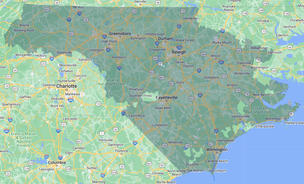
Providing Expert Foundation Repair in North Carolina
Pennsylvania trusts Tar Heel Basement Systems for reliable basement waterproofing, crawl space, foundation, and concrete repair services. Contact us for a free inspection!
Top Cities We Serve
FAQs
Because your safety – and that of your family and your home – is our top priority, we only use the best, trusted solutions proven to effectively repair and protect your home. Manufactured here in the United States, each product is carefully designed and tested by a team of structural and geotechnical engineers. All our systems come with a long-term written warranty, giving you complete peace of mind.
Our heavy-duty wall reinforcement and piering systems are made with galvanized steel to prevent rust, corrosion, and damage. This protects them against the toughest forces and provides you and your home with a strong, permanent solution.
Here are the different foundation repair systems we use:
- Foundation Wall Repair Systems – Cracking and/or bowing walls can vary in damage and severity, so we offer a few different foundation wall repair and reinforcement options to address their unique challenges.
- Carbon Fiber Supports – Durable Carbon Fiber supports firmly adhere to the walls to not only stabilize them but also hold them in their current positions. They also prevent any further wall cracking or movement and are ideal for walls with minimal to moderate issues. These supports have a smooth finish and low profile, so they can easily be concealed with paint or basement finishing materials.
- Wall Anchors – Strong galvanized earth anchors are securely embedded in stable soil away from the foundation wall, and they are connected to sturdy steel interior wall anchor plates with long galvanized steel rods. This system will permanently stabilize the wall, as well as offer the best opportunity to straighten it over time. This unique system offers the ability to tighten the anchors when exterior soil shrinks during dry periods.
- IntelliBrace™ Beams – IntelliBrace™ beams function the same way as wall anchors in stabilizing and helping straighten shifting walls. They are best to use when there is limited access available outside of the home for exterior wall repair.
- Foundation Pier Systems – Only the most durable solutions are used to properly tackle foundation settlement. These pier systems are installed deep into the ground and to more stable soil to permanently stabilize the home and help lift it back to its original position.
- Push Piers – Push Piers are driven through a bracket attached to the foundation footing and down to bedrock or a stable soil layer. This is the most used type of pier for most foundation settlement applications.
- Helical Piers – Helical Piers are manually advanced or screwed into the ground. These round shaft helicals do not bend like square shaft pieces. These piers generally are used in specialty foundation settlement applications and for light structures like porches.
- Slab Piers – Like Push Piers and Helical Piers, Slab Piers are installed in deep, stable strata. But these are specifically used to stabilize your concrete slab foundation and potentially lift your home back toward its original position.
- Crawl Space Support Posts – Sagging floor joists or floors above a crawl space or basement call for our high-strength IntelliJacks™. These support posts are engineered to transfer your home’s weight onto stable soils and stop settling. IntelliJacks™ are rated to support up to 24,860 pounds each.
Additionally, we can install the PolyRenewal™ concrete lifting and leveling system. It typically is used on sidewalks, driveways, and other outdoor areas. But we also can execute interior slab leveling. This state-of-the–art repair method can be used to lift, level, and stabilize cracking and sinking concrete slab floors and garage floors.
One of the burning questions homeowners always have concerns the cost of repair. Which is natural. Money is a big deal, and so is your home. When you purchased your home, you made a long-term investment. So, when it needs work, you want to make sure you’re using the best, cost-effective solutions.
To give you a general idea, average home improvement spending is around $7,500, and most homeowners pay between $4,000 and $10,000 for foundation repairs. Some average foundation repair product prices include $1,000-$3,000+ per foundation pier, $500-$1,300+ for leveling/slab jacking, and $2,000-$6,000 for sealing/subfloor drainage.
Check with your insurance carrier regarding any concerns with repair needs and insurance coverage, as all policies are different. Some policies cover losses from fires, but many exclude coverage for issues such as foundation cracks or settling. Coverage may kick in, however, if the foundation has been damaged from other problems like broken plumbing, for example. (Source: SF Gate)
All that being said, no two foundation problems are alike. Every home is different and requires its own unique repairs. There’s a lot to consider with foundation repair such as the extent of damage, area needing to be repaired, square footage, material needed, etc. This differs from company to company. So be sure to have a thorough discussion with your contractor about pricing and payment.
Maybe the better question is “how can you not benefit from foundation repair?”
Many people choose to ignore even the slightest foundation problem like a crack in the wall because they think it is not a big deal and that it will somehow go away, and they keep putting off fixing it because of time and budget constraints. This is a dangerous mindset that only allows the problem to continue to worsen, which in turn puts the safety of your house and your family in jeopardy.
Instead of keeping those problems out of sight and out of mind, tackle them head-on.
Here are just a couple major perks of finally fixing your foundation the right way:
- Protected Safety and Structural Integrity
Would you feel comfortable knowing your loved ones live in an unsafe environment that could collapse? That’s what will happen if you do not attend to your foundation. When you shore up your foundation and support systems within your house, you are ensuring not only the safety of the structure but the wellbeing of your family as well. A safe, sturdy home is a happy home.
- Enhanced Real Estate Value
Your house is going to be on the real estate market at some point. Whether that’s now or many years down the road, you need to make sure your house is ready. While various factors can impact a home’s real estate/resale value, structural issues carry a lot of weight. Foundation problems can reduce your home’s resale value by 10 to 30 percent, and buyers could have problems getting a mortgage.
As a North Carolina homeowner, you are required to complete the State of North Carolina Residential Property and Owners’ Association Disclosure Statement and disclose any known past or current problems. These include any defects with the foundation, slab, floors, interior and exterior walls, or other structural components. Other related items on the checklist are damage from a past infestation of wood-destroying insects which has not been repaired and defects with grading or soil stability.
Show buyers you care about your home and the finer details by fixing these problems the right way.
Your house could be falling victim to these issues for several reasons. But there is a common thread that leads to the problems you’re noticing – the ground your home was built on.
Soil
The soil under and around your home has a significant impact on the integrity of the structure. Sand, silt, clay, and a mix of any or all these ingredients, make up soil and its texture. Sandy soils tend to quickly drain water, silt soils typically have intermediate drainage properties, and clay soils tend to hold onto water.
Soil composition maps on NASA Earth Observatory show how much of these ingredients can be found across the country. You can see that North Carolina has a good mix of all of them, but sand and clay stand out as the most common. There are hundreds of soil types throughout the state, and you can get a better idea of what kind of soil you are dealing with by searching your specific area and address in the Web Soil Survey from the United States Department of Agriculture Natural Resources Conservation Service. This survey shows locations along the coast have primarily sandy soils, and silt and clay are the frontrunners in more inland areas.
Here are some different ways soil affects your home’s foundation:
- The Clay Bowl Effect and Hydrostatic Pressure
After your home’s foundation was completely built, previously excavated soil was then backfilled and replaced around the walls. This loose, fluffy, aerated soil is not dense or tightly packed like more stable, undisturbed soil farther away from the house. So, when water collects in the soil directly next to the house, it creates a “clay bowl.” The saturated soil expands and exerts pressure – hydrostatic pressure – on the foundation walls. When this constant force becomes more than the walls can bear, they will begin to show signs of failure in the form of cracks and inward movement. Water also can easily seep through these cracks and further impact the home.
- Soil Settlement and Poor Supporting Soil for Chimneys
It’s natural for soil to settle over time, and for backfilled soil to settle into place. But as it does, it can do so at an angle. If soil is sloped toward the home and not away from it, water can easily collect around the foundation walls, seep inside, and contribute to hydrostatic pressure. Unevenly settling soil also can lead to uneven settling of your foundation. When this happens, you’ll notice diagonal cracks in drywall and from corners of windows and doors. These windows and doors also may not open or close properly.
Another foundation issue that is more frightening to see is a cracking and leaning chimney. Chimneys aren’t always built on the same soil or foundation as the rest of the home, and they may not have proper footing. When soil cannot support the weight of the chimney, the chimney will begin to pull away from the rest of the structure.
- Water and Moisture in a Vented Dirt Crawl Space
Along with the clay bowl effect and hydrostatic pressure, water can enter homes in other ways. Open crawl space vents allow outside air, water, and pests inside. When this happens in dirt crawl spaces that are not properly sealed or encapsulated, it wreaks havoc on the structural support system under the house. Water and moisture in this space will lead to rust and corrosion of metal supports and rotting, warping, and buckling wooden supports. These will ultimately lead to sagging and soft floors.
If you notice the following signs and symptoms in and around your house, you’ve got a problematic foundation on your hands.
Wall Problems
- Bowing Walls
- Wall Cracks
- Sticking Windows & Doors
- Collapsing Retaining Walls
Floor Problems
- Floor Crack
- Sagging Crawl Space
Soil Problems
- Foundation Soils
- Foundation Settlement
- Foundation Heave
- Expansive Soils
Additional Problems
- Street Creep Damage
- Tilting Chimney
Signs of foundation settlement may include:
- Cracks in the walls or floor
- Sticking doors and windows
- Sagging or uneven floors
- Leaning chimney
- Bowing basement walls
- And more…
The severity of foundation settlement is influenced by factors such as the speed and degree of settlement, as neglecting foundation issues can result in substantial structural damage.
Professional inspection and repairs are crucial to prevent further structural deterioration and safety risks.

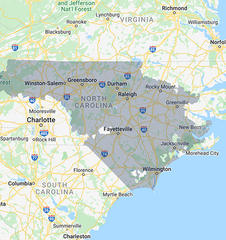
Our Locations
3400 Walsh Pky, Suite 220
Fayetteville, NC 28311
611 Summit Ave, Suite 5
Greensboro, NC 27405
208 Millbrook Rd. Suite C
Raleigh, NC 27609
8005 Knightdale Blvd
Knightdale, NC 27545
2155 Enterprise Dr. NE
Leland, NC 28451
2910 Griffith Rd
Winston-Salem, NC 27103